Valle del Cauca, Colombia
Cerro Azul
- Milk chocolate
- Orange peel
- Toffee
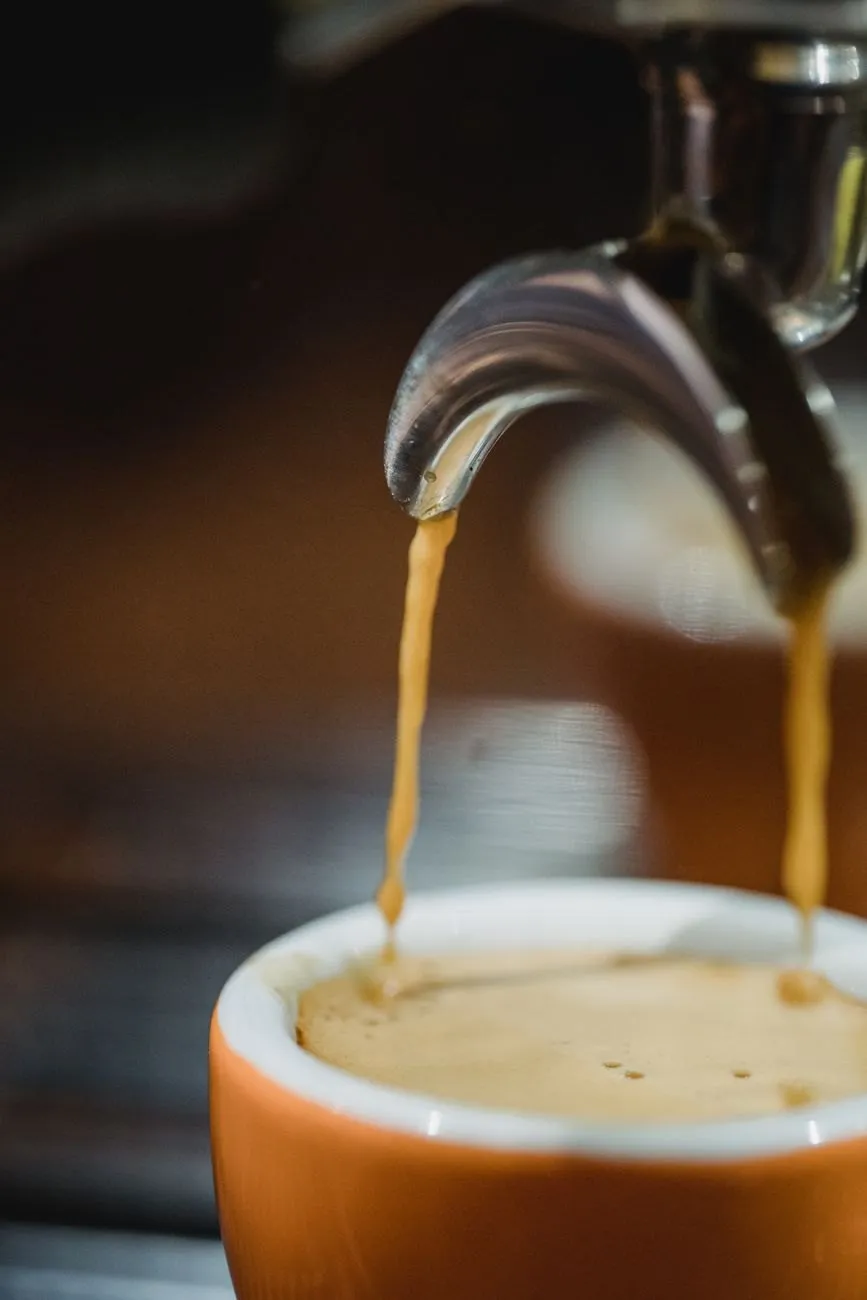
Our house espresso. Chocolate and toffee with a little orange — it takes milk without disappearing, and nine of our cafés pour it.
250 g bag
£11.80
£10.03 on subscription
1 kg bag
£40.00
£34.00 on subscription
How we brew it
- Espresso
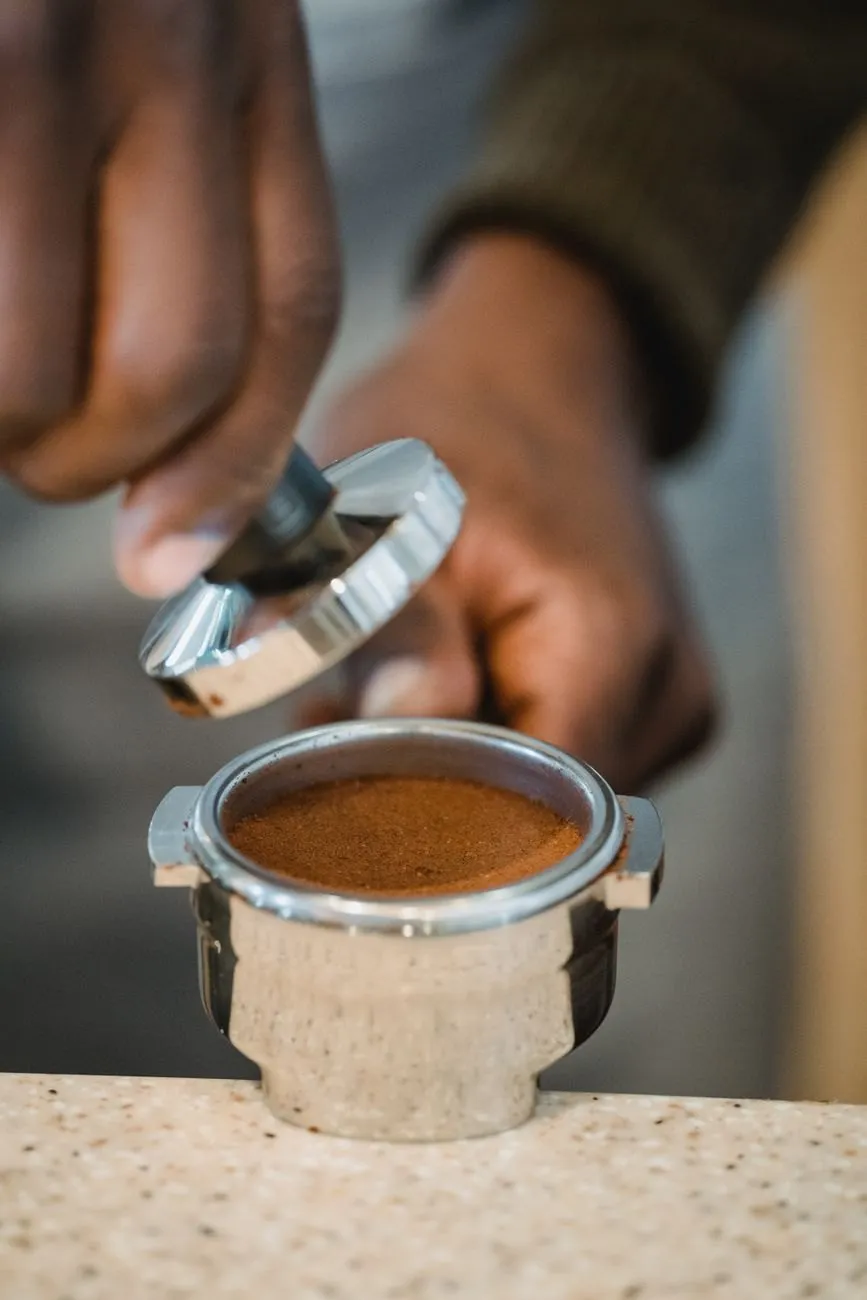
- 18 g in, 38 g out in 30 seconds at 94 °C
- Flat white
- A double shot under 120 ml of steamed milk
Where it comes from
- Origin
- Valle del Cauca, Colombia
- Producer
- Eleven farms under one buying group, 1.5 to 6 hectares each
- Altitude
- 1,550–1,720 m
- Variety
- Castillo, Caturra
- Process
- Washed
- Roast
- Medium
- Harvest
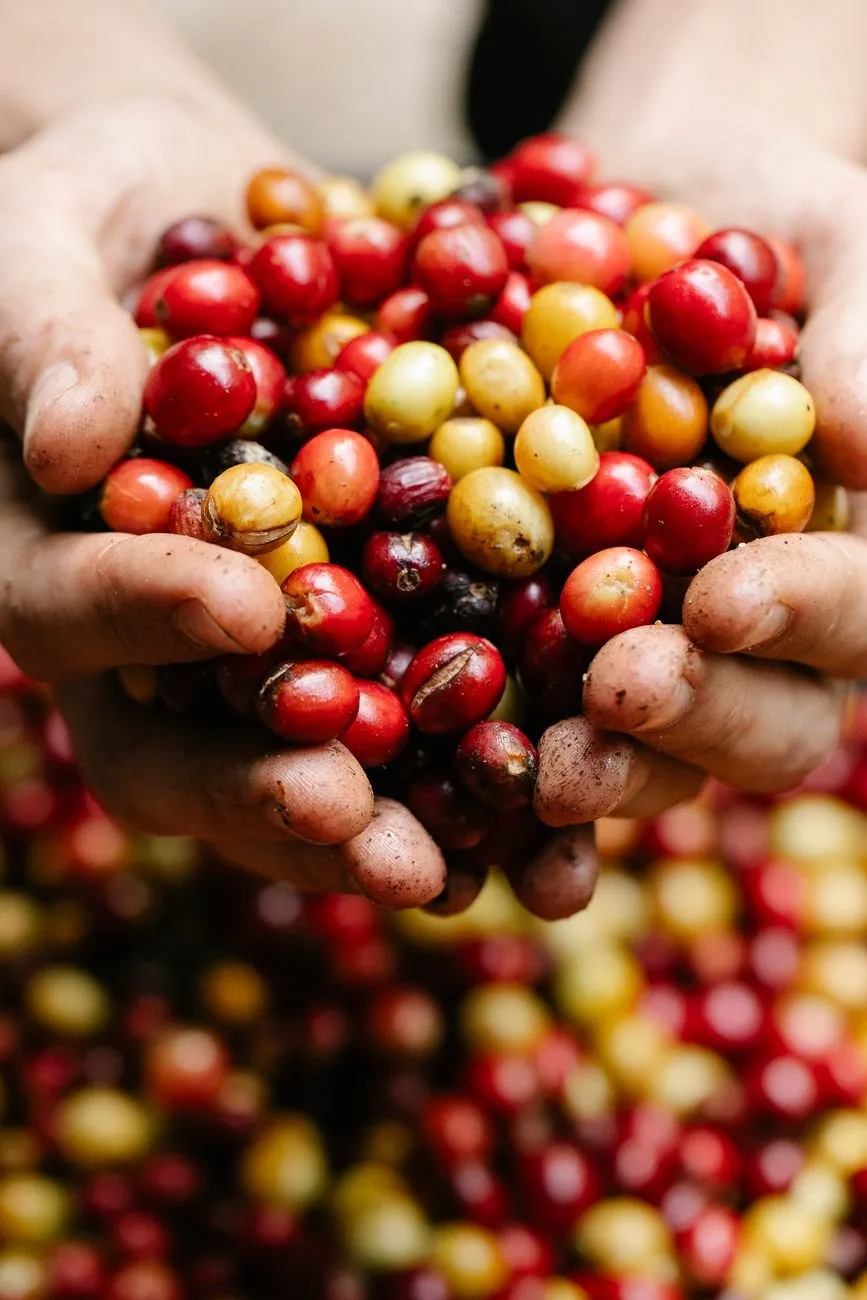
- Main crop picked April to June, landed in June
Delivery and freshness
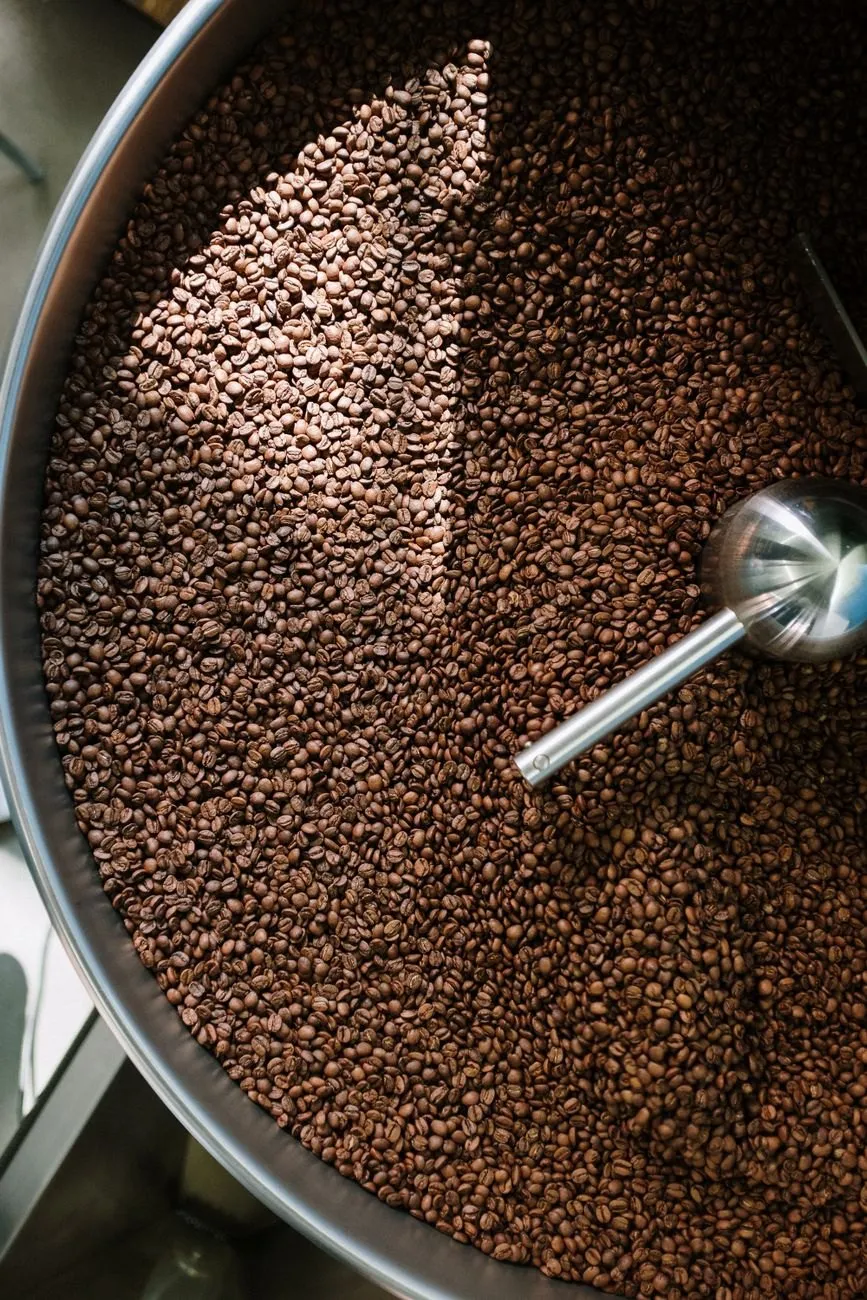
Roasted to order and posted by Royal Mail Tracked 48 on the day it leaves the drum. Free on subscriptions and orders over £30, otherwise £3.95. Best from five days to six weeks after the roast date on the bag.
Why we buy Cerro Azul
Our espresso coffee, and the one we roast most of. We take it two degrees past the point where the acidity stops leading, so it holds up under milk and still tastes of somewhere.
Nine of the eleven cafés we supply pour Cerro Azul as their house shot. If you want one bag to keep in the cupboard permanently, this is it — and the 1 kg bag is the best value on the list.
The buying group pays each farm a premium on top of the local market price for every sack that cups above 85 points.
“I have tried four subscriptions and this is the one I kept. The bag lands on Friday, it was roasted on Thursday, and when I asked for a coarser grind they changed it the same day.”
You might also like
 This month’s coffee
 Gitwe
Nyamasheke, Rwanda · natural · Light roast
£13.20 250 g
- Strawberry
- Cocoa nib
- Black tea
Karimikui
Kirinyaga, Kenya · washed · Light roast
£14.50 250 g
- Blackcurrant
- Grapefruit
- Cane sugar
Alaka
Guji, Ethiopia · washed · Light roast
£15.60 250 g
- Bergamot
- White peach
- Jasmine