Kirinyaga, Kenya
Karimikui
- Blackcurrant
- Grapefruit
- Cane sugar
The loudest coffee on the shelf. A washed Kenyan with blackcurrant up front and a clean, juicy finish — our pick for pour-over.
250 g bag
£14.50
£12.33 on subscription
1 kg bag
£49.00
£41.65 on subscription
How we brew it
- Pour-over
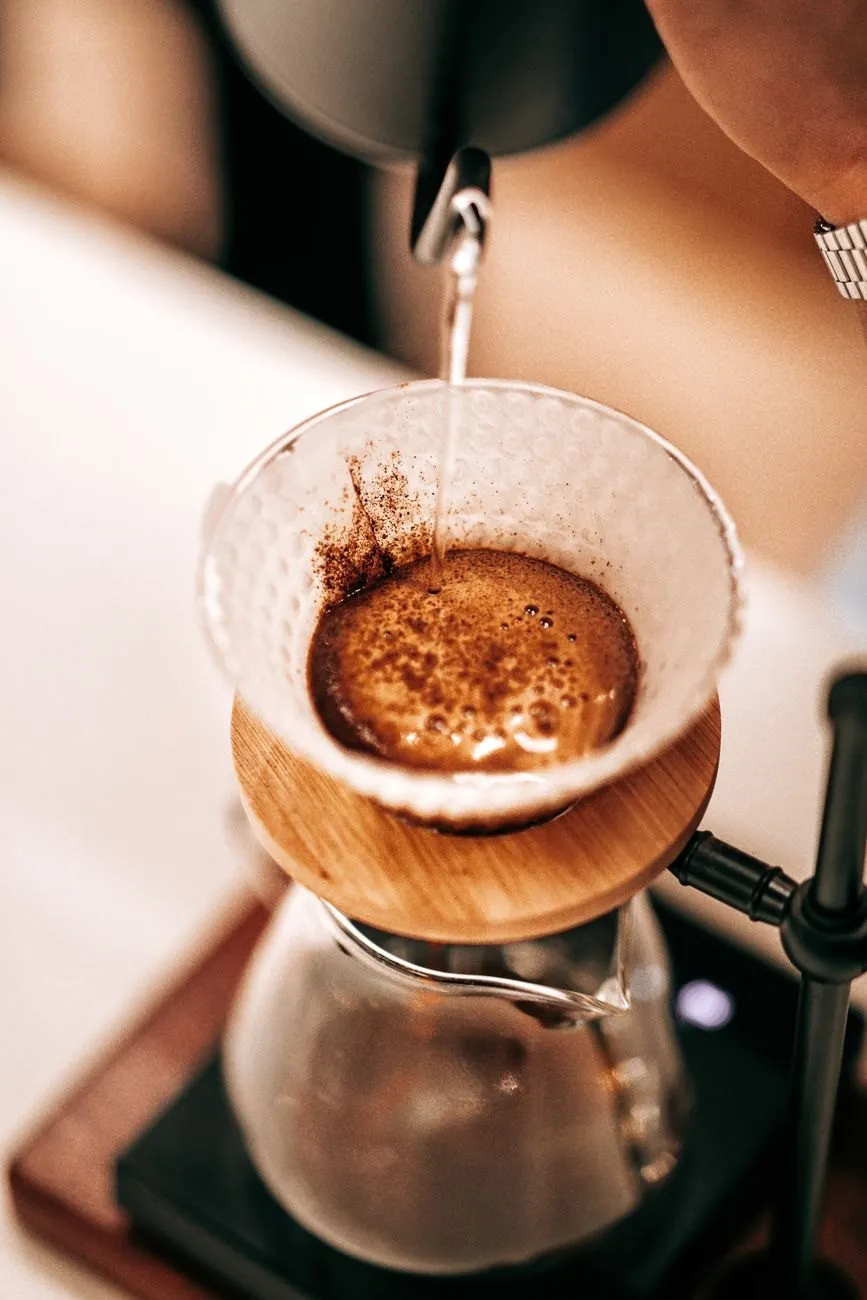
- 15 g coffee to 250 g water at 94 °C, medium-coarse, 2:45 total
- Espresso
- 18 g in, 44 g out in 28 seconds
Where it comes from
- Origin
- Kirinyaga, Kenya
- Producer
- Karimikui washing station — 1,340 smallholder members
- Altitude
- 1,750–1,860 m
- Variety
- SL28, SL34, Ruiru 11
- Process
- Washed
- Roast
- Light
- Harvest
- Picked November to January, landed in March
Delivery and freshness
Roasted to order and posted by Royal Mail Tracked 48 on the day it leaves the drum. Free on subscriptions and orders over £30, otherwise £3.95. Best from five days to six weeks after the roast date on the bag.
Why we buy Karimikui
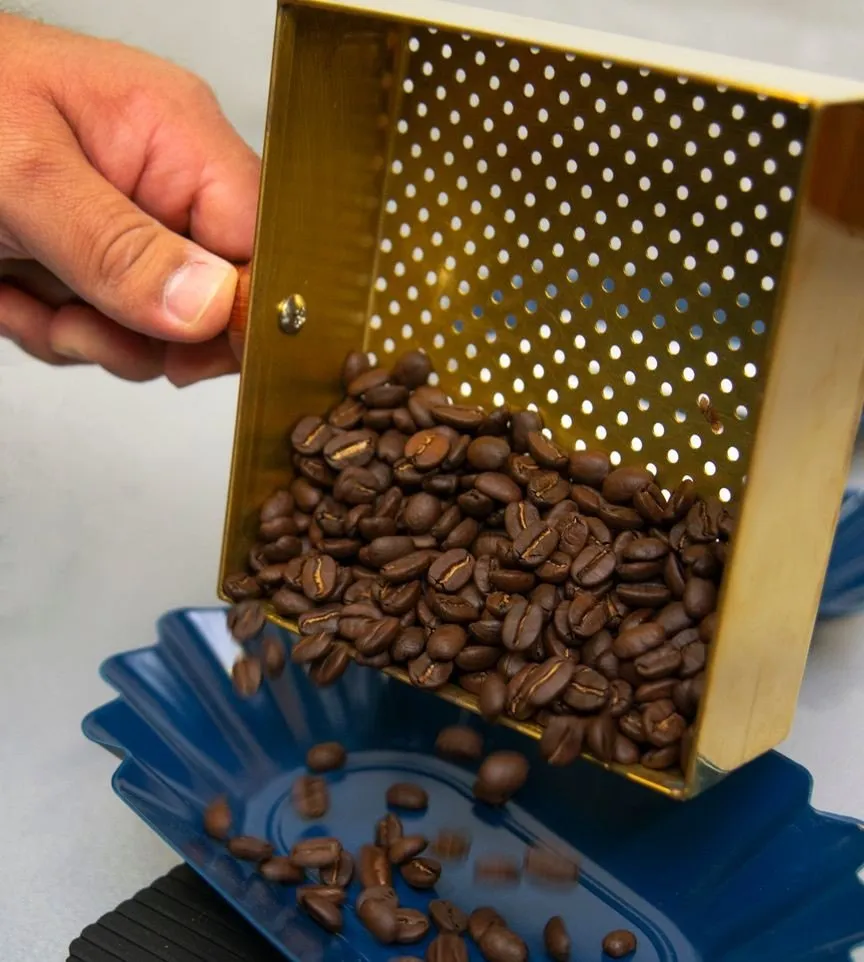
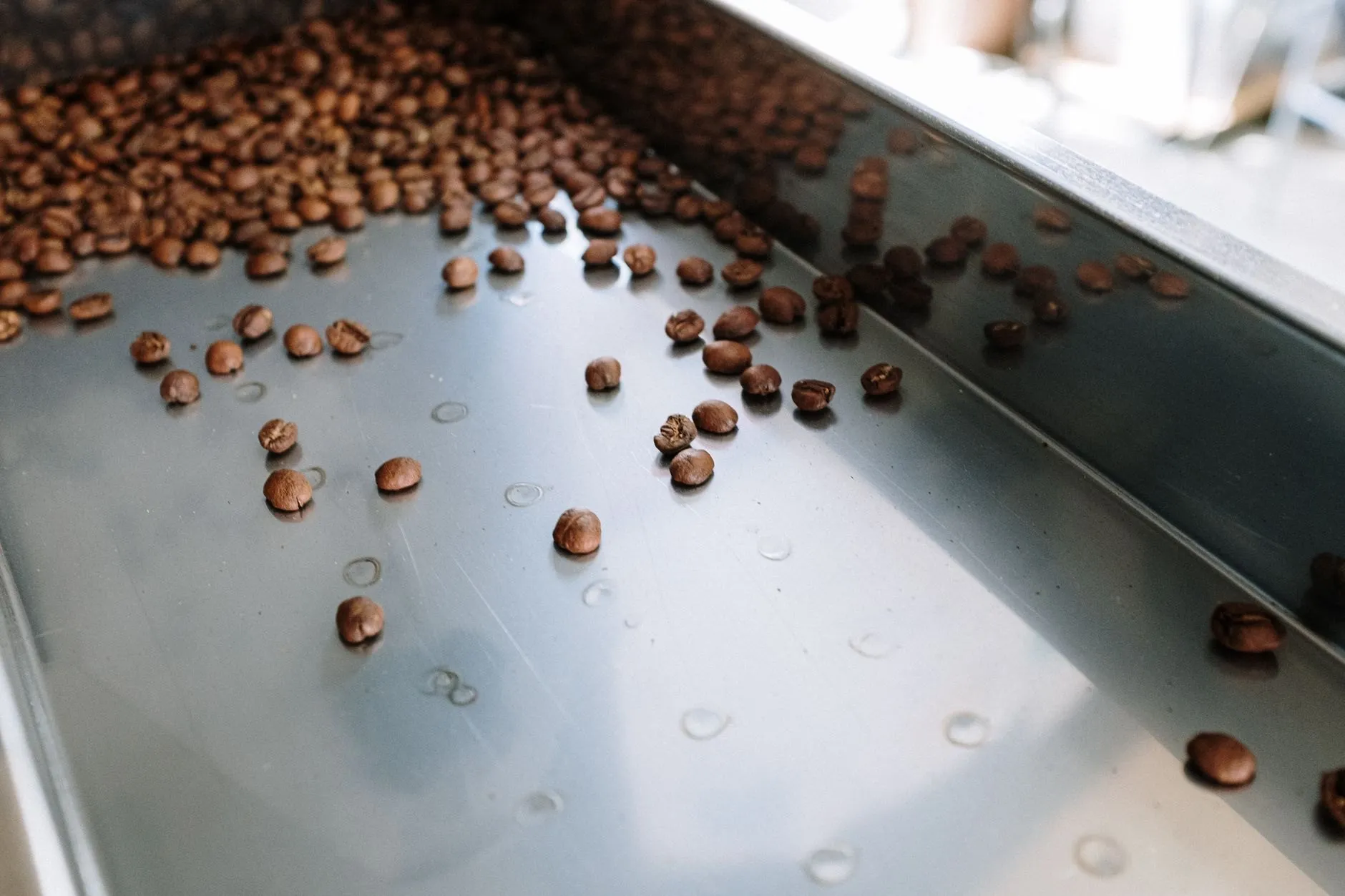
Kenyan washed coffees carry enough acidity to survive a light roast without tasting green, so we take Karimikui to 203 °C and stop — a minute and forty-five seconds past first crack, no more. Any longer and the blackcurrant flattens into plum, which is pleasant and not what we paid for.
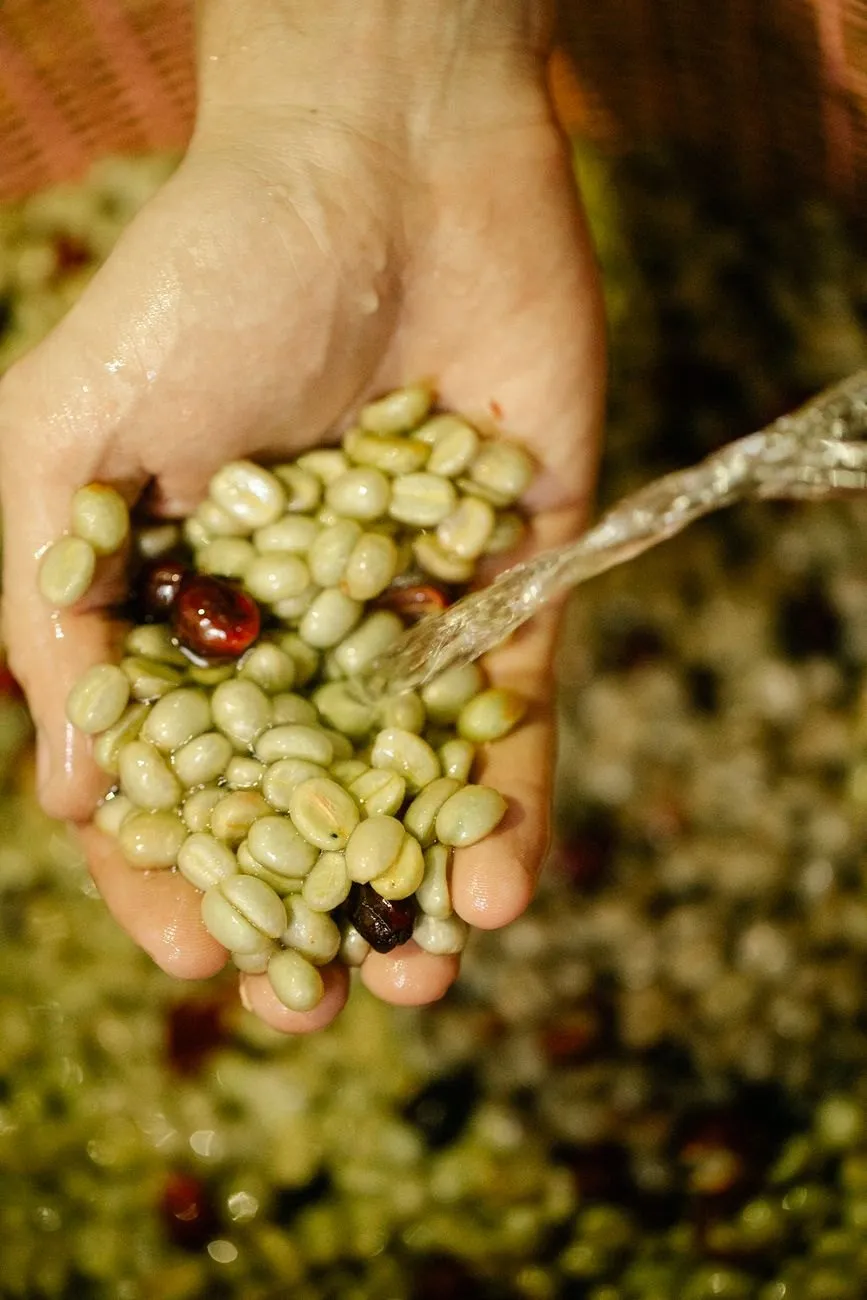
It comes from the Karimikui washing station on the slopes of Mount Kenya, where more than a thousand smallholders deliver cherry on the same day it is picked. The station ferments and washes each day’s delivery separately, and this lot is three of the best days of the season blended together.
Brew it as filter first. On an espresso machine it makes a bright, sweet shot that works best without milk.
“The Karimikui is the best filter coffee I have had at home. The recipe on the card was spot on first time.”
You might also like
 This month’s coffee
 Gitwe
Nyamasheke, Rwanda · natural · Light roast
£13.20 250 g
- Strawberry
- Cocoa nib
- Black tea
Alaka
Guji, Ethiopia · washed · Light roast
£15.60 250 g
- Bergamot
- White peach
- Jasmine
La Ilusión
Chalatenango, El Salvador · honey · Medium roast
£12.40 250 g
- Red apple
- Demerara
- Almond