193 °C
0:00
Charge
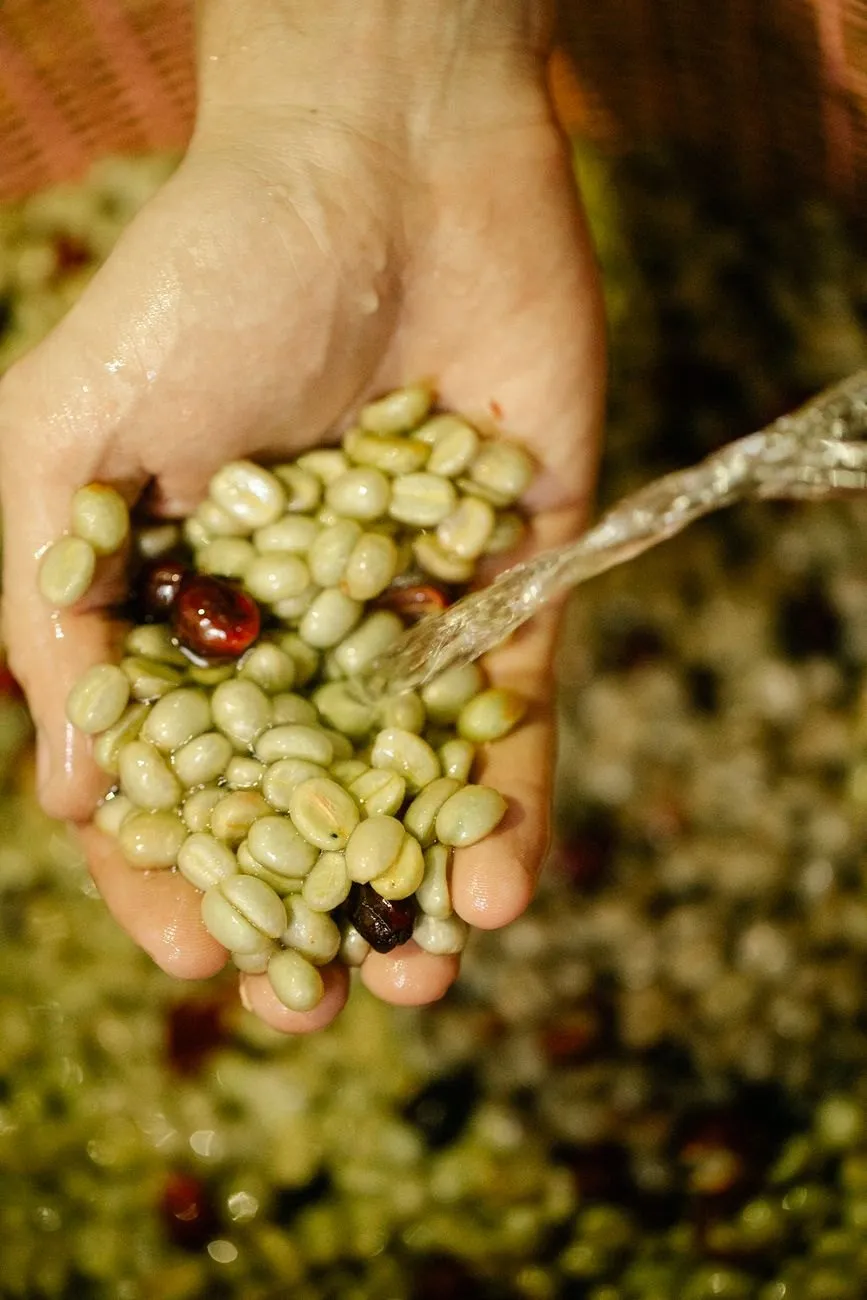
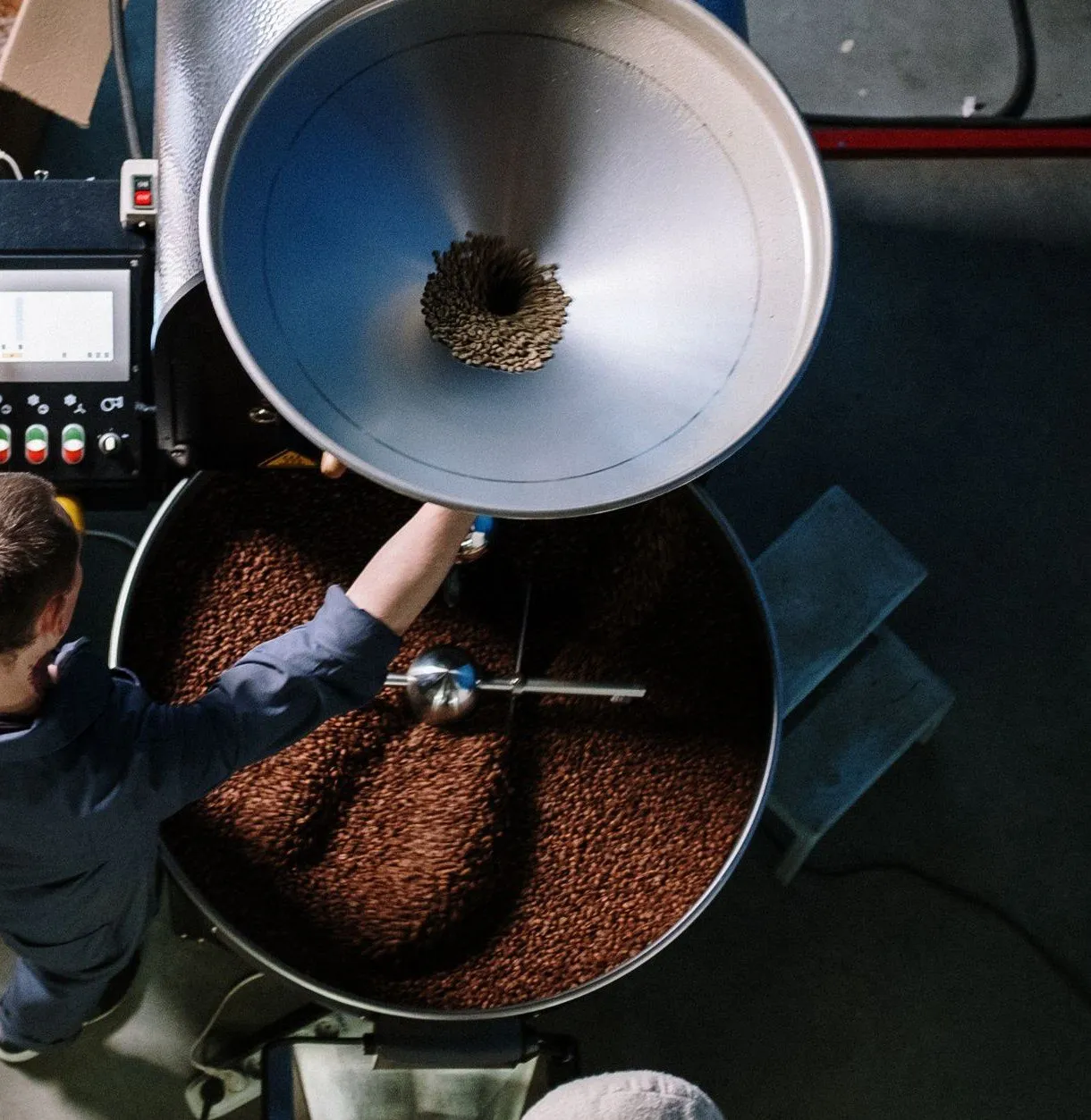
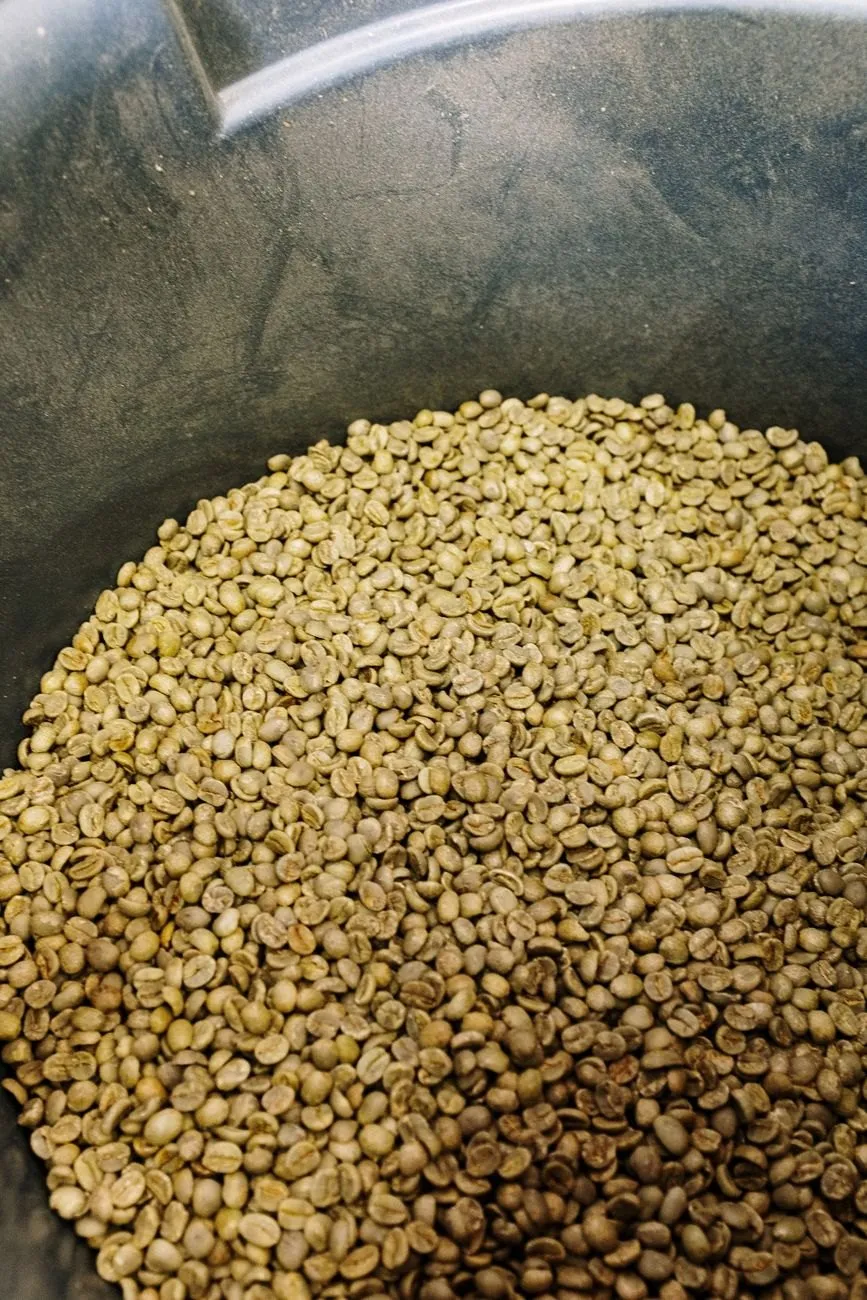
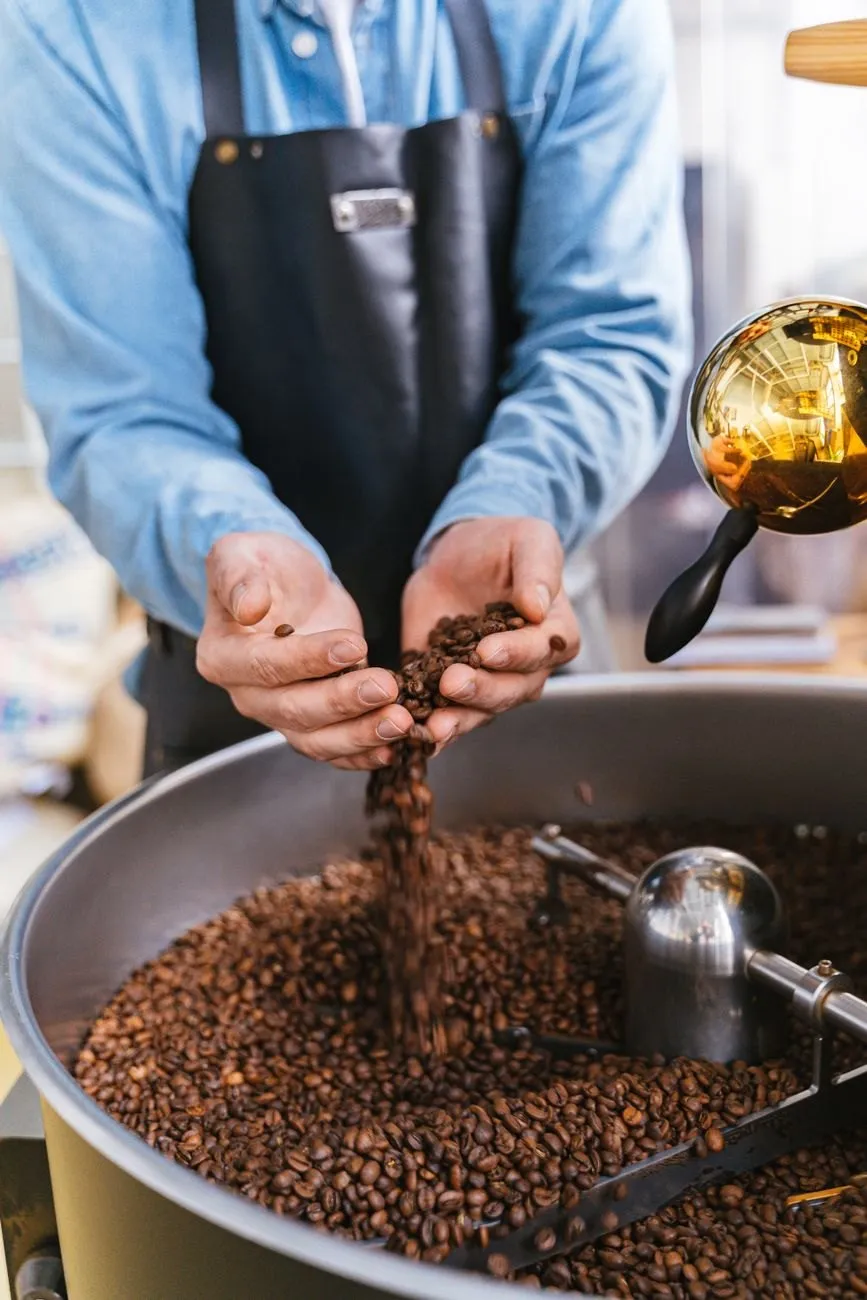
Twelve kilos of green go into a hot drum and the temperature collapses. For the next four minutes the bean is only losing water. Nothing about it is coffee yet — it smells of hay, and it is the palest thing we will see all day.
160 °C
4:30
Drying, then colour
Past the turning point the bean goes straw, then tan. This part you can only read by eye: sugars browning, the surface wrinkling as the seed shrinks. We pull a trier every thirty seconds and hold it to the light.
196 °C
8:40
First crack
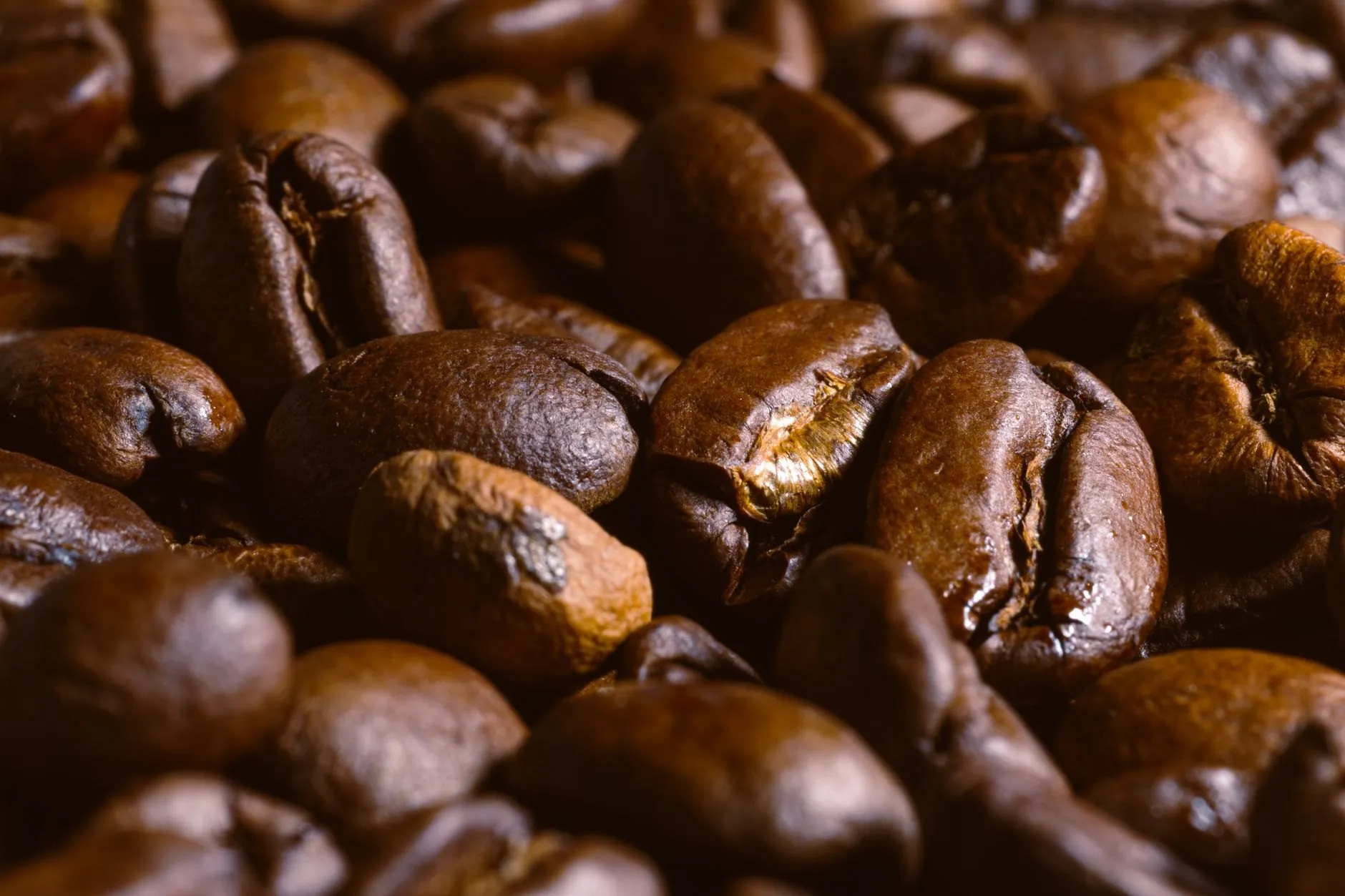
Steam pressure splits the seed along its centre crease and it makes a noise like a log fire. The silverskin lets go and blows out of the drum as chaff. Everything after this point we count in seconds.
208 °C
10:25
Drop
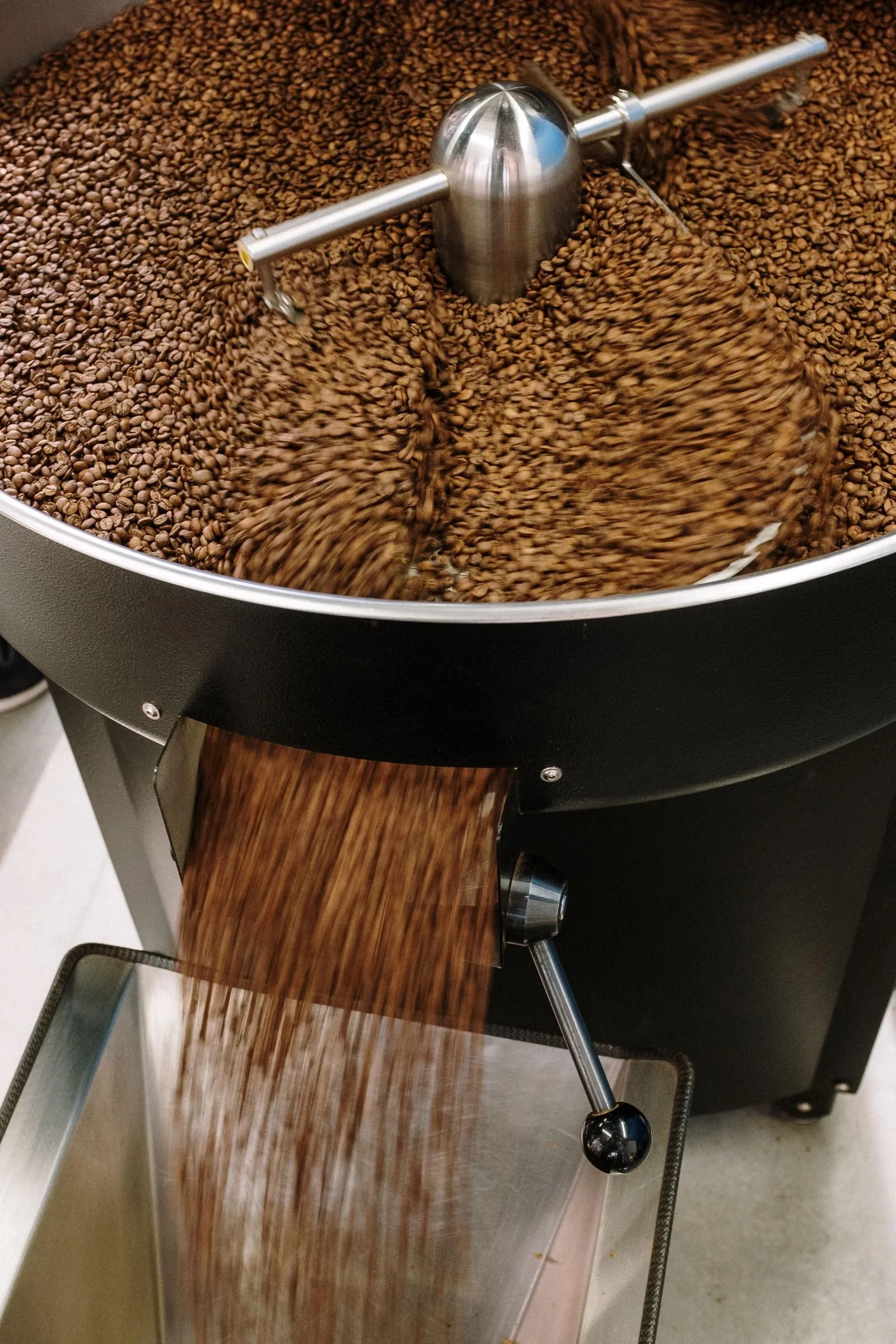
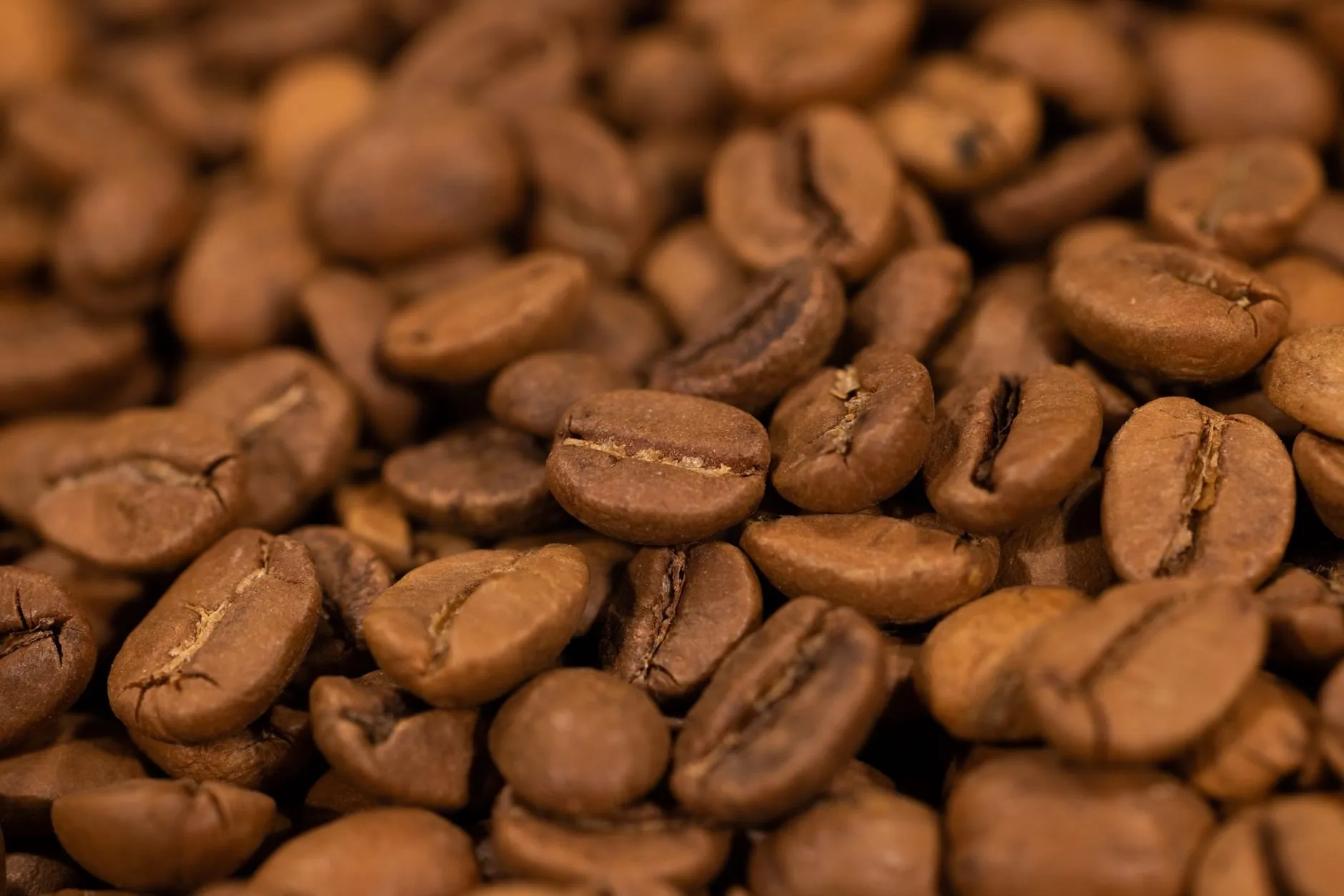
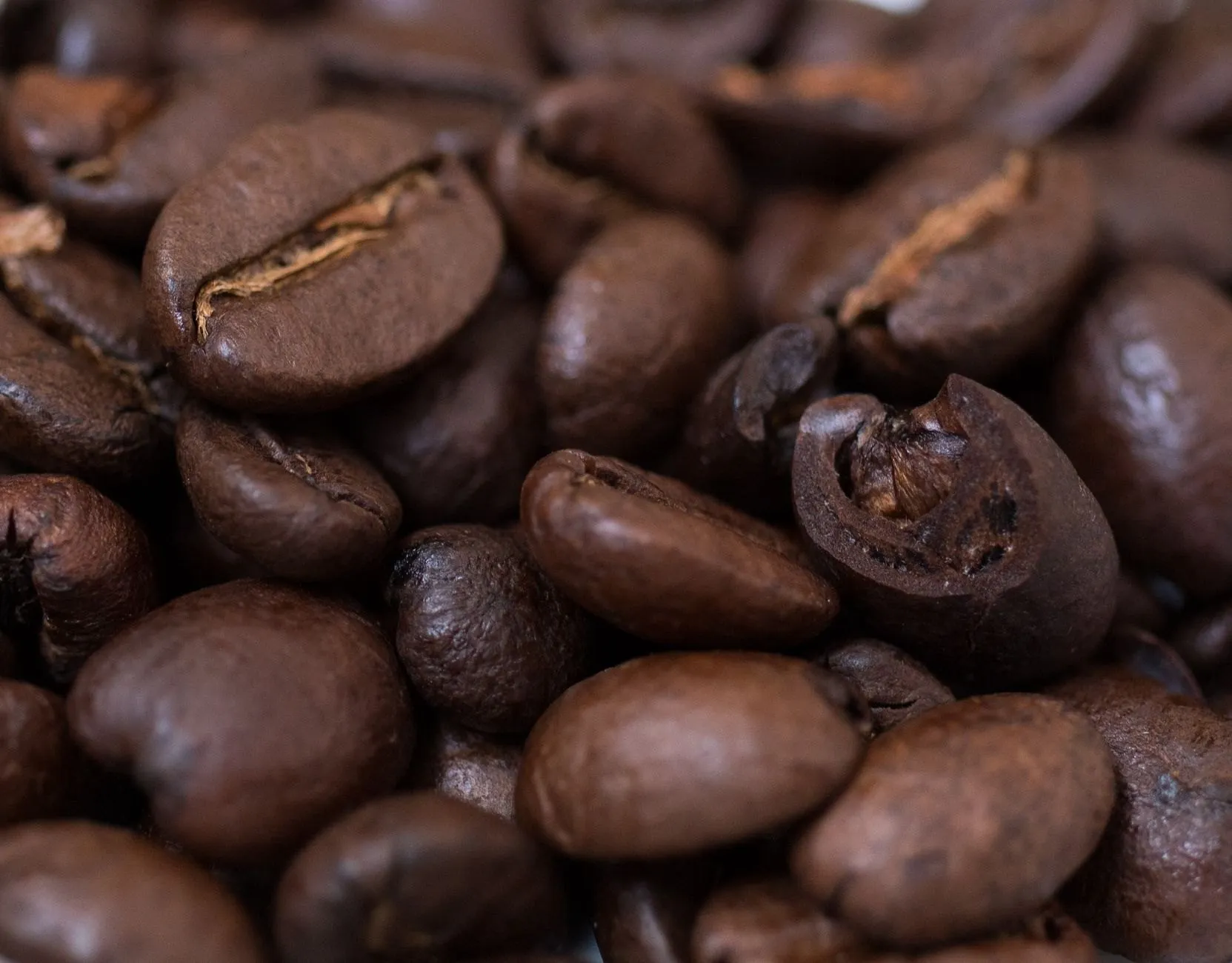
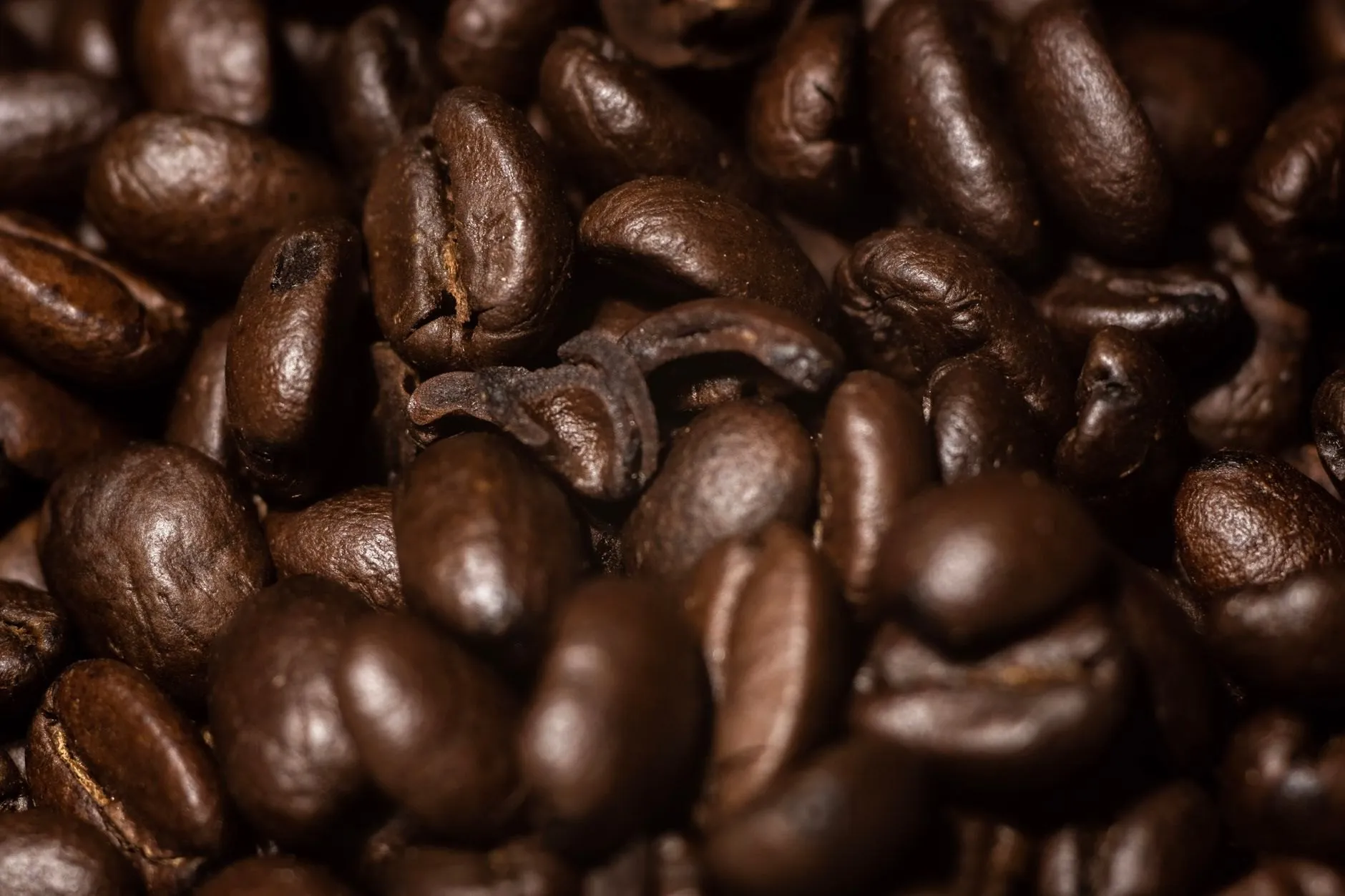
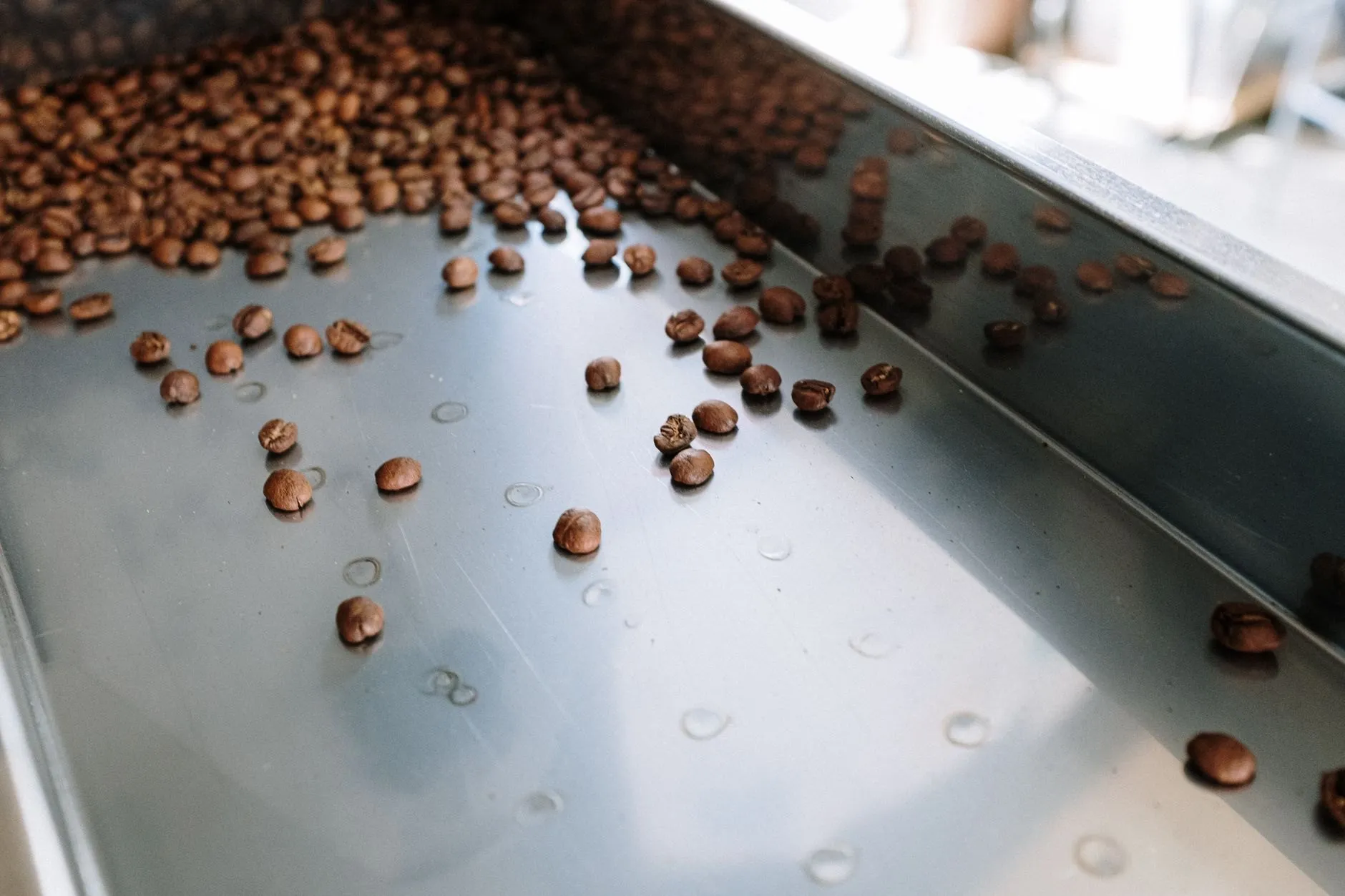
Between one minute forty-five and two minutes twenty after the crack, depending on the lot, the hatch opens and twelve kilos fall into moving air. Four minutes to cool. The colour you see here is the colour you buy.
This week's list
Six lots · 250 g whole bean · roasted Thursday · every lot in full
- Karimikui Kirinyaga, Kenya washed 203 °C 14.50
- Alaka Guji, Ethiopia washed 202 °C 15.60
- Gitwe Nyamasheke, Rwanda natural 204 °C 13.20
- La Ilusión Chalatenango, El Salvador honey 206 °C 12.40
- Cerro Azul Valle del Cauca, Colombia washed 208 °C 11.80
- Sítio Bela Vista Mantiqueira, Brazil natural 211 °C 10.90
Roasted Thursday,
with you Friday.
Order by Tuesday night and your bags come off the same batch you have just read. Standing orders run every two or four weeks, 250 g or 1 kg, pause whenever you like.