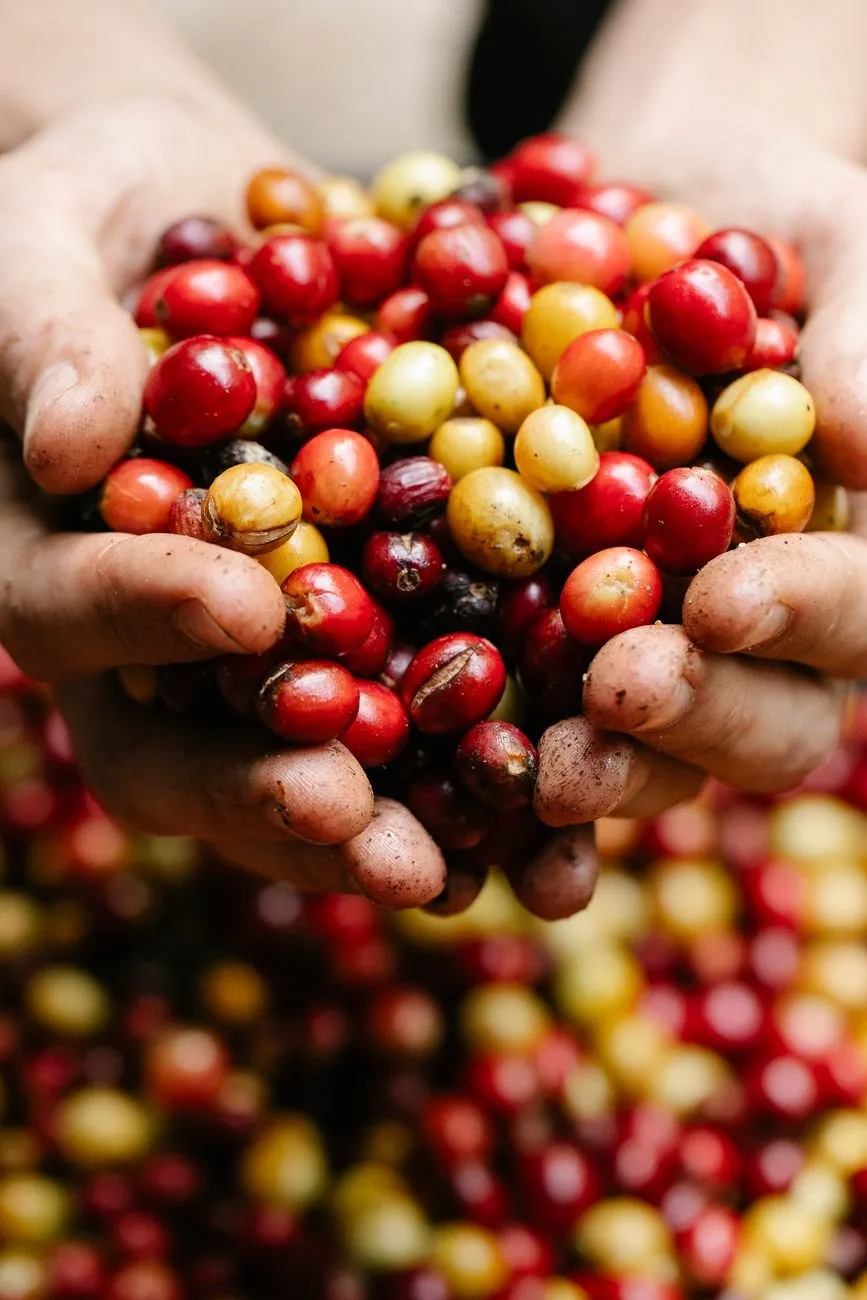
Nyamasheke, Rwanda · This month’s coffee
Gitwe
- Strawberry
- Cocoa nib
- Black tea
This month's coffee. A natural-process Rwandan that landed a fortnight ago — strawberry and cocoa, with a black-tea finish.
250 g bag
£13.20
£11.22 on subscription
1 kg bag
£45.00
£38.25 on subscription
How we brew it
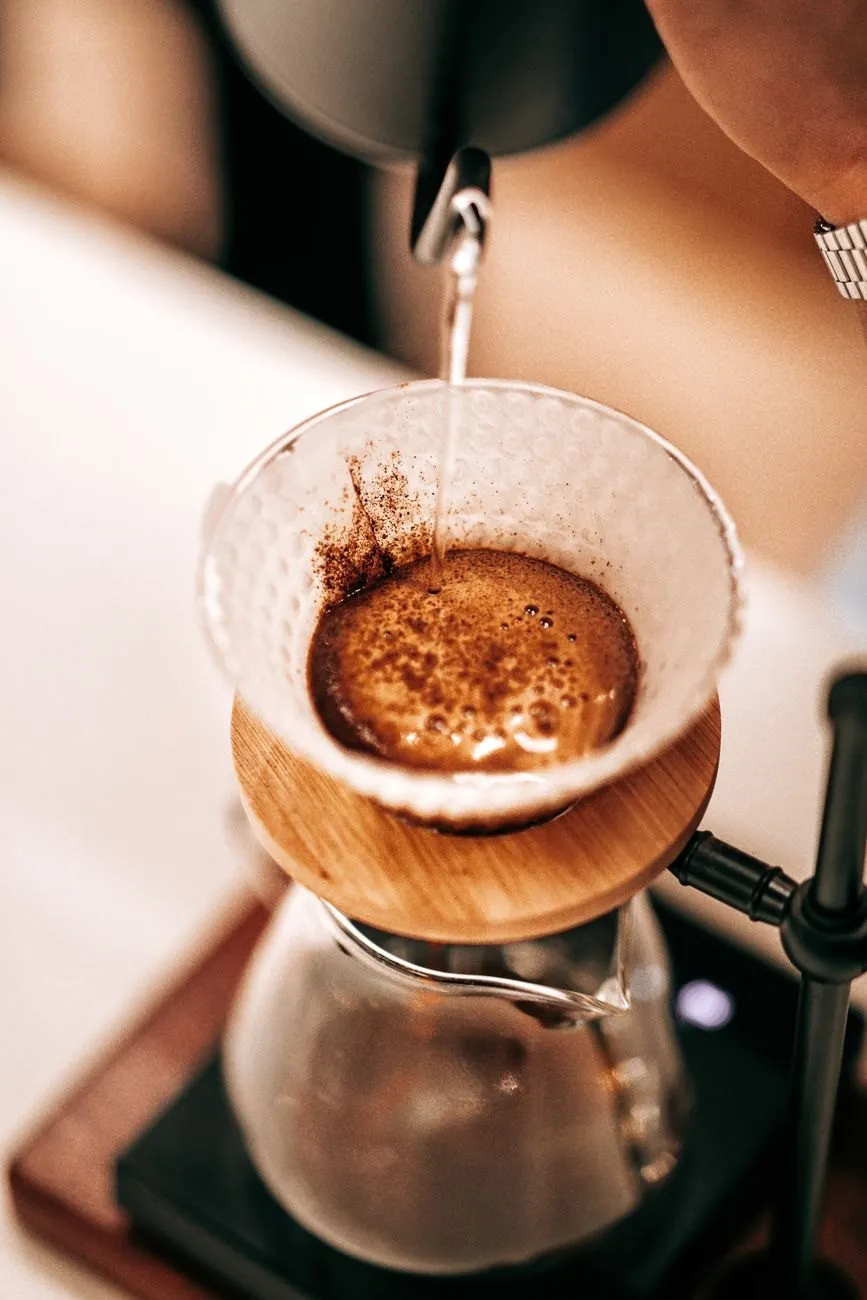
- Pour-over
- 15 g coffee to 250 g water at 93 °C, medium-coarse, 2:50 total
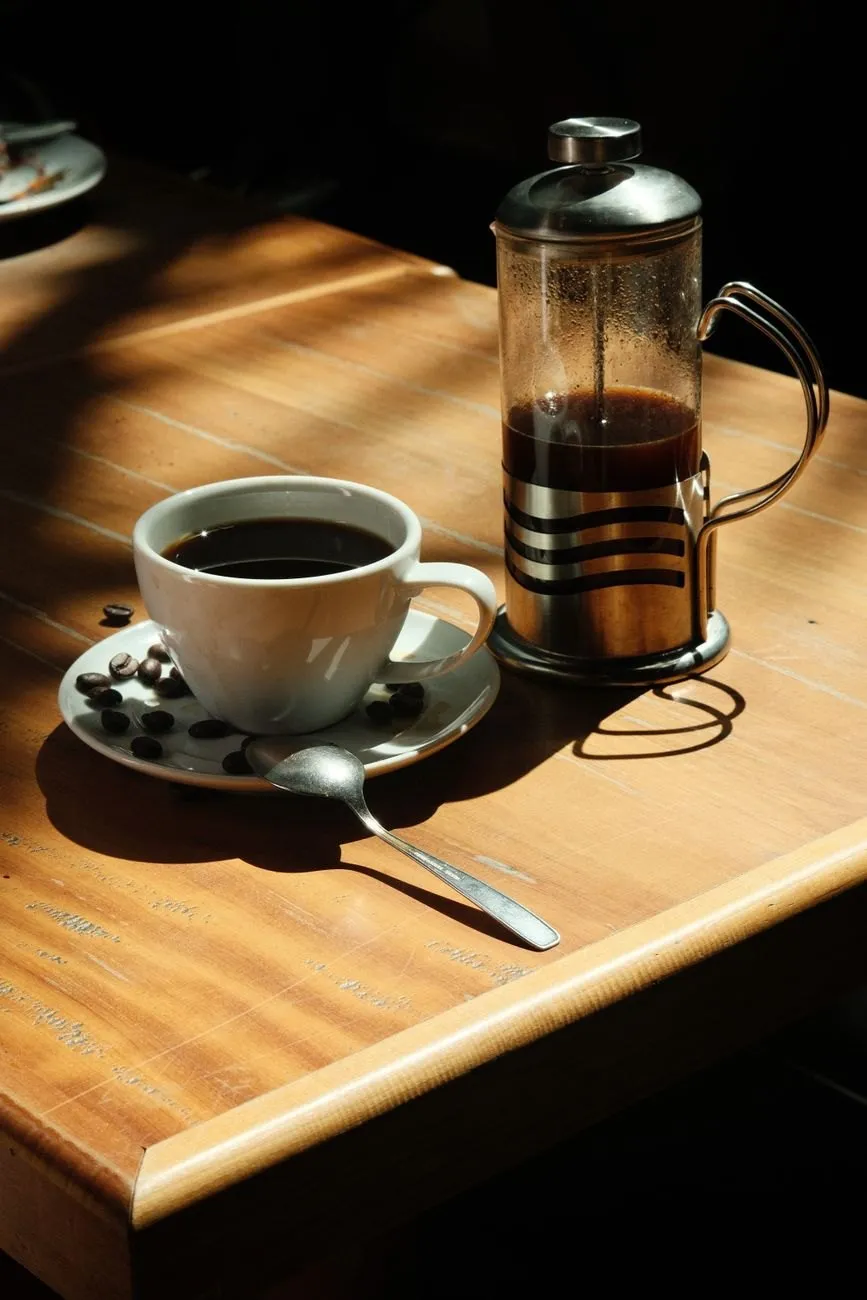
- Cafetière
- 30 g coffee to 500 ml water, coarse, 4 minutes then plunge
- Espresso
- 18 g in, 46 g out in 27 seconds
Where it comes from
- Origin
- Nyamasheke, Rwanda
- Producer
- Gitwe hill station, 620 members, drying on 40 raised beds
- Altitude
- 1,680–1,790 m
- Variety
- Red Bourbon
- Process
- Natural
- Roast
- Light
- Harvest
- Picked March to May, landed in August
Delivery and freshness
Roasted to order and posted by Royal Mail Tracked 48 on the day it leaves the drum. Free on subscriptions and orders over £30, otherwise £3.95. Best from five days to six weeks after the roast date on the bag.
Why we buy Gitwe
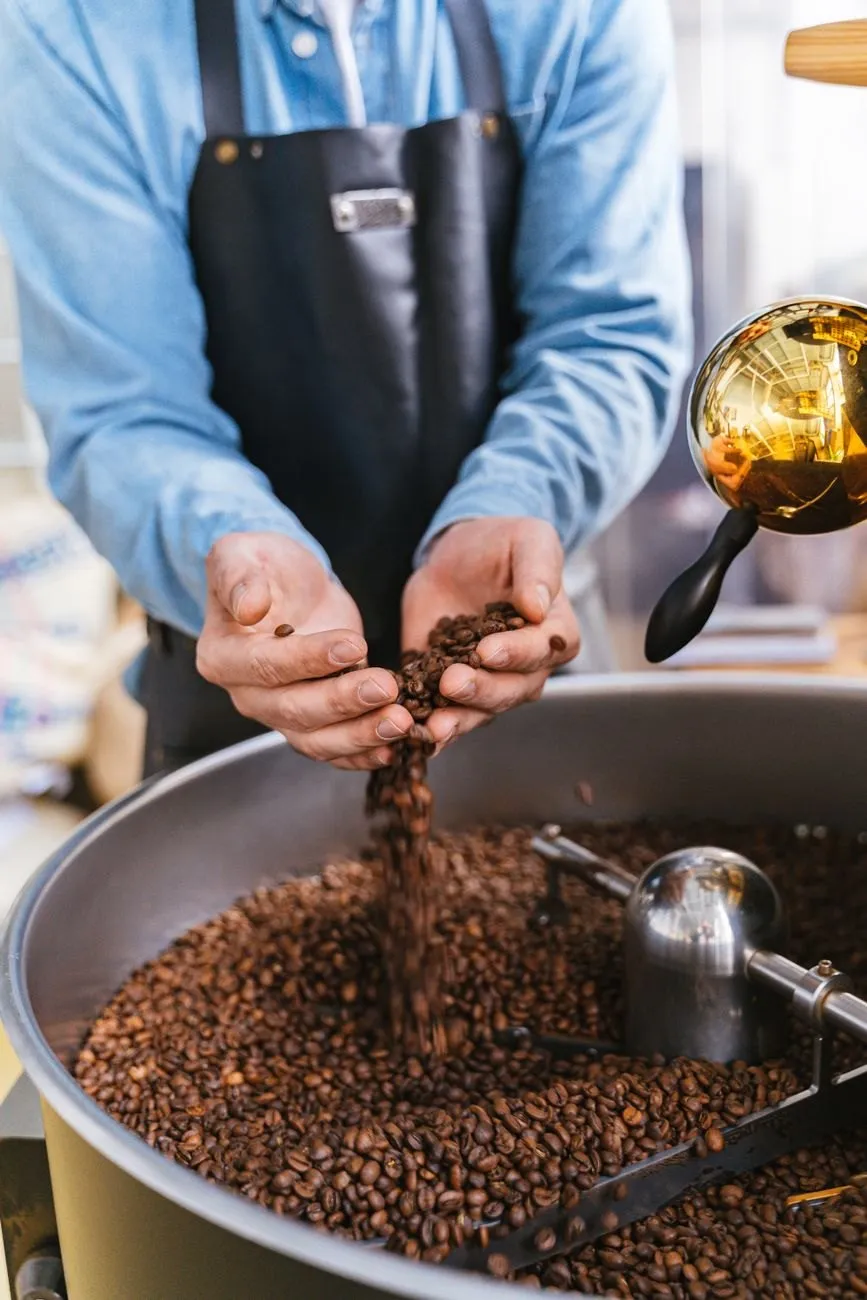
Natural-process coffees dry in the whole cherry, so they arrive carrying their own sugar — and they scorch if the drum runs hot at the wall. Gitwe gets a slower ramp and more airflow from the turning point on, and we stop it at 204 °C.
It landed two weeks ago and is still settling. The fruit is louder now than it will be in a month, which is the honest argument for buying it this week.
Gitwe is this month’s coffee for every Roaster’s Choice subscriber, and the one we are pouring as filter in the café.
“I have tried four subscriptions and this is the one I kept. The bag lands on Friday, it was roasted on Thursday, and when I asked for a coarser grind they changed it the same day.”
You might also like
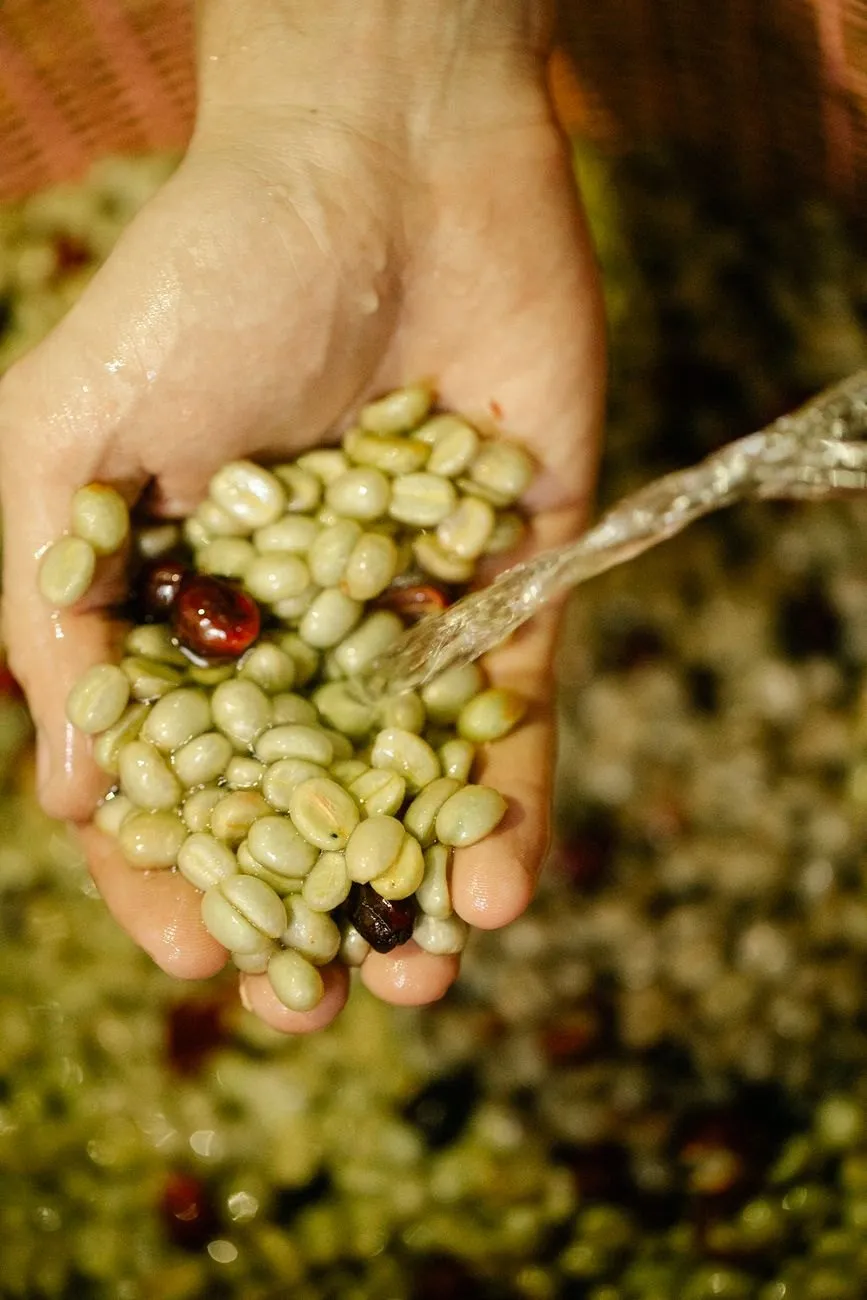
Karimikui
Kirinyaga, Kenya · washed · Light roast
£14.50 250 g
- Blackcurrant
- Grapefruit
- Cane sugar
Alaka
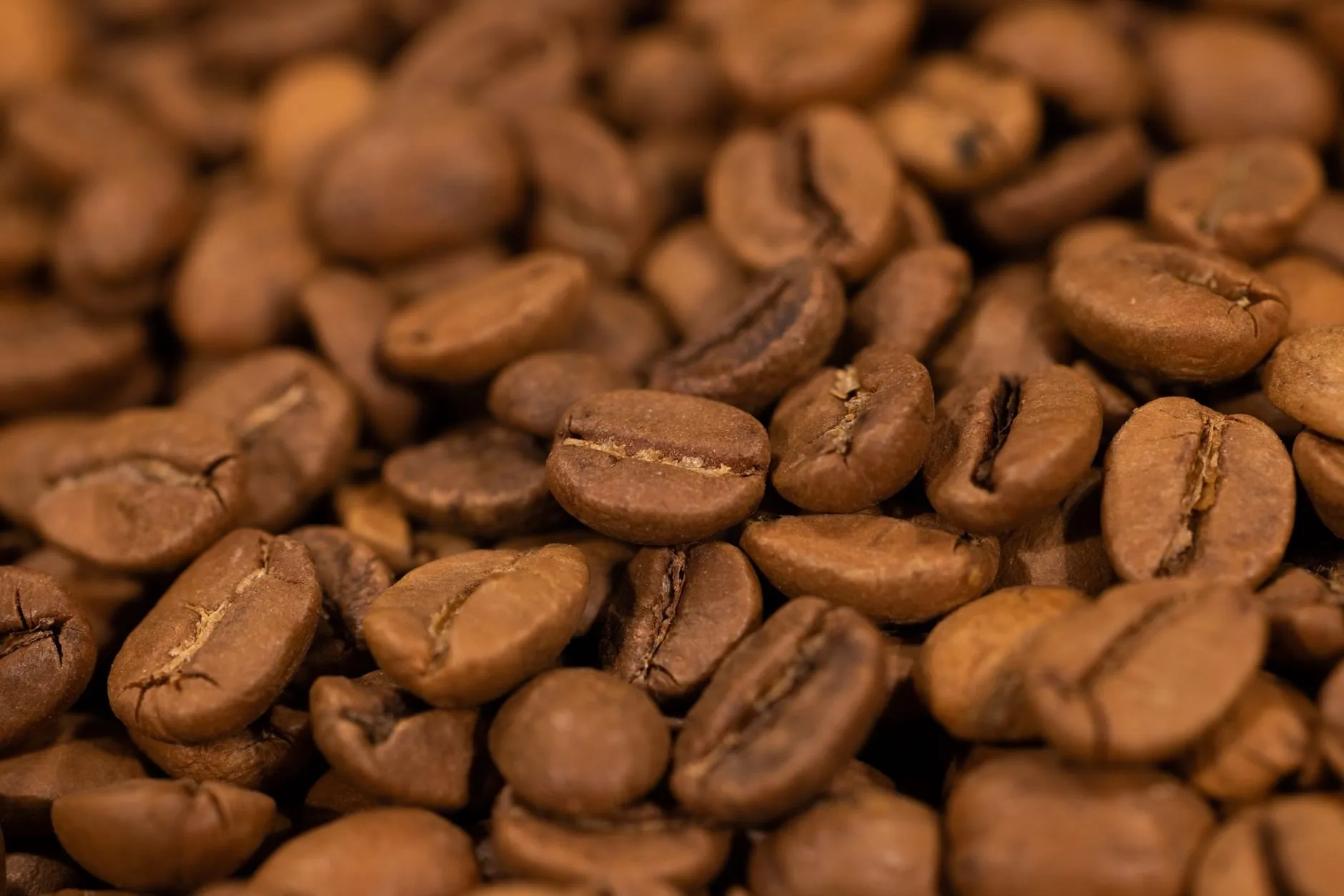
Guji, Ethiopia · washed · Light roast
£15.60 250 g
- Bergamot
- White peach
- Jasmine
La Ilusión
Chalatenango, El Salvador · honey · Medium roast
£12.40 250 g
- Red apple
- Demerara
- Almond