Chalatenango, El Salvador
La Ilusión
- Red apple
- Demerara
- Almond
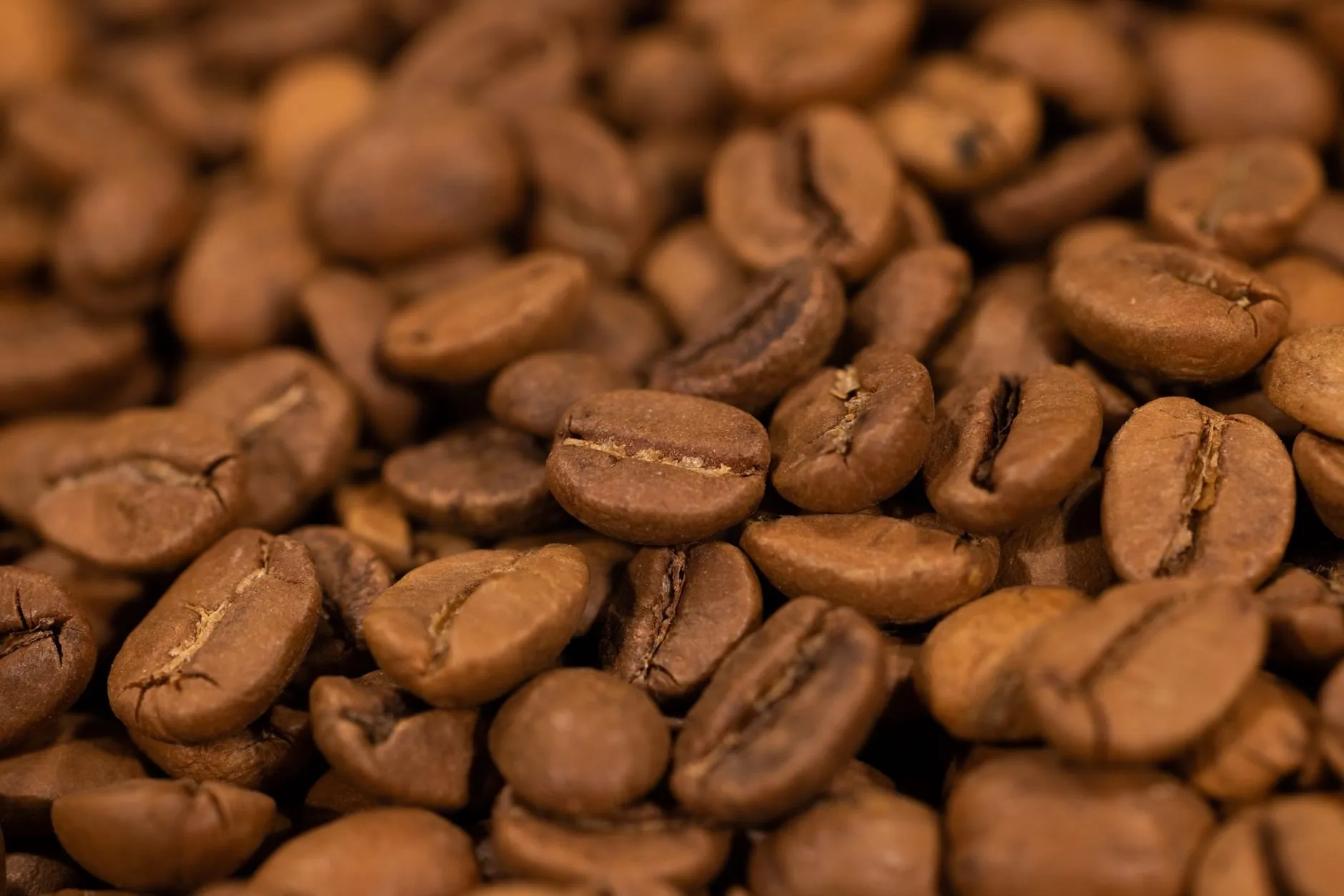
The everyday one. A honey-process Salvadoran with apple sweetness and a round, nutty body — works in every brewer you own.
250 g bag
£12.40
£10.54 on subscription
1 kg bag
£42.00
£35.70 on subscription
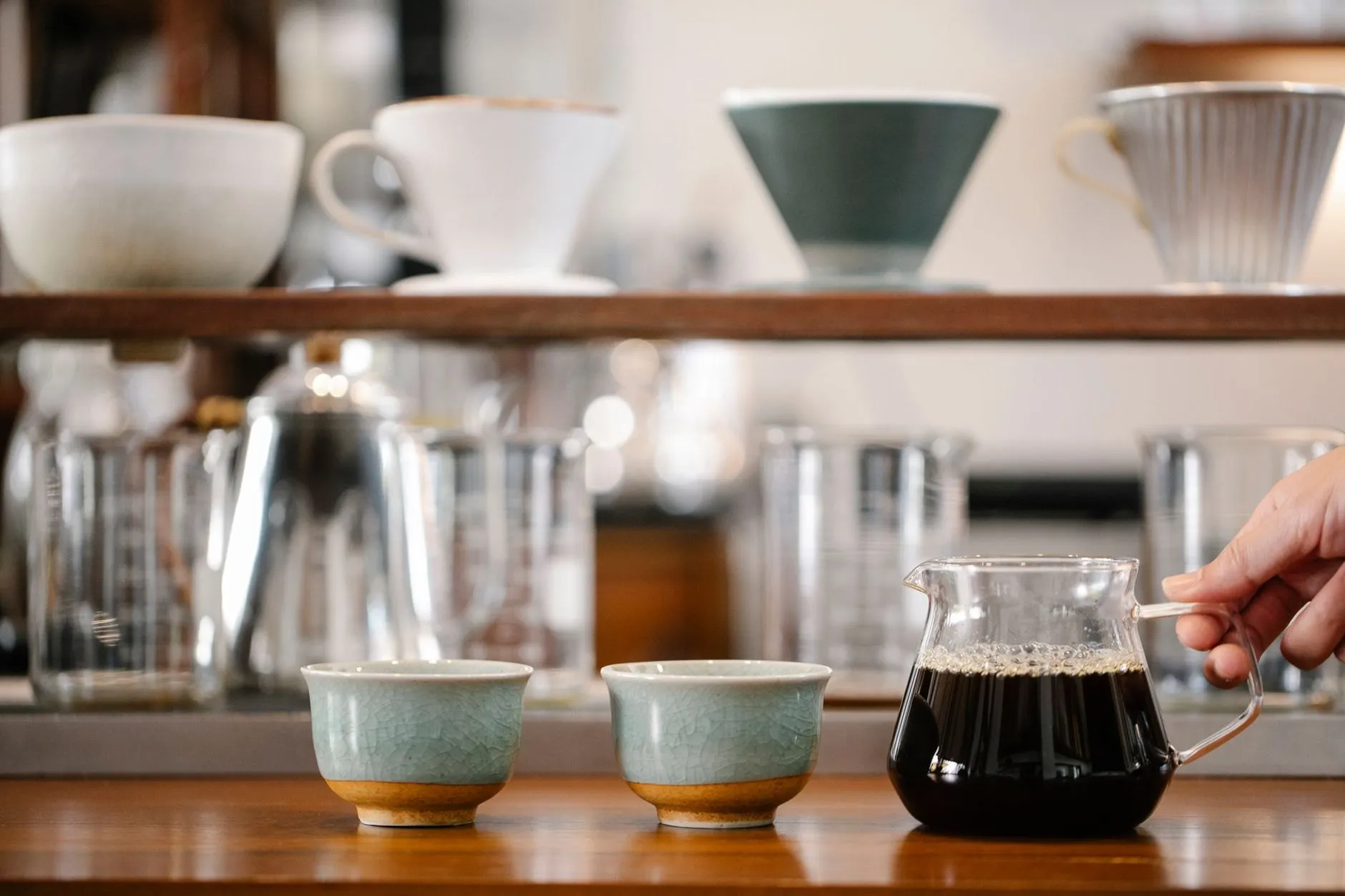
How we brew it
- Cafetière
- 30 g coffee to 500 ml water, coarse, 4 minutes
- Moka pot
- Fill the basket level, fine-medium grind, water just below the valve
Where it comes from
- Origin
- Chalatenango, El Salvador
- Producer
- A single farm of 14 hectares, third generation, 2,100 trees
- Altitude
- 1,420–1,510 m
- Variety
- Pacas, Bourbon
- Process
- Honey
- Roast
- Medium
- Harvest
- Picked December to February, landed in May
Delivery and freshness
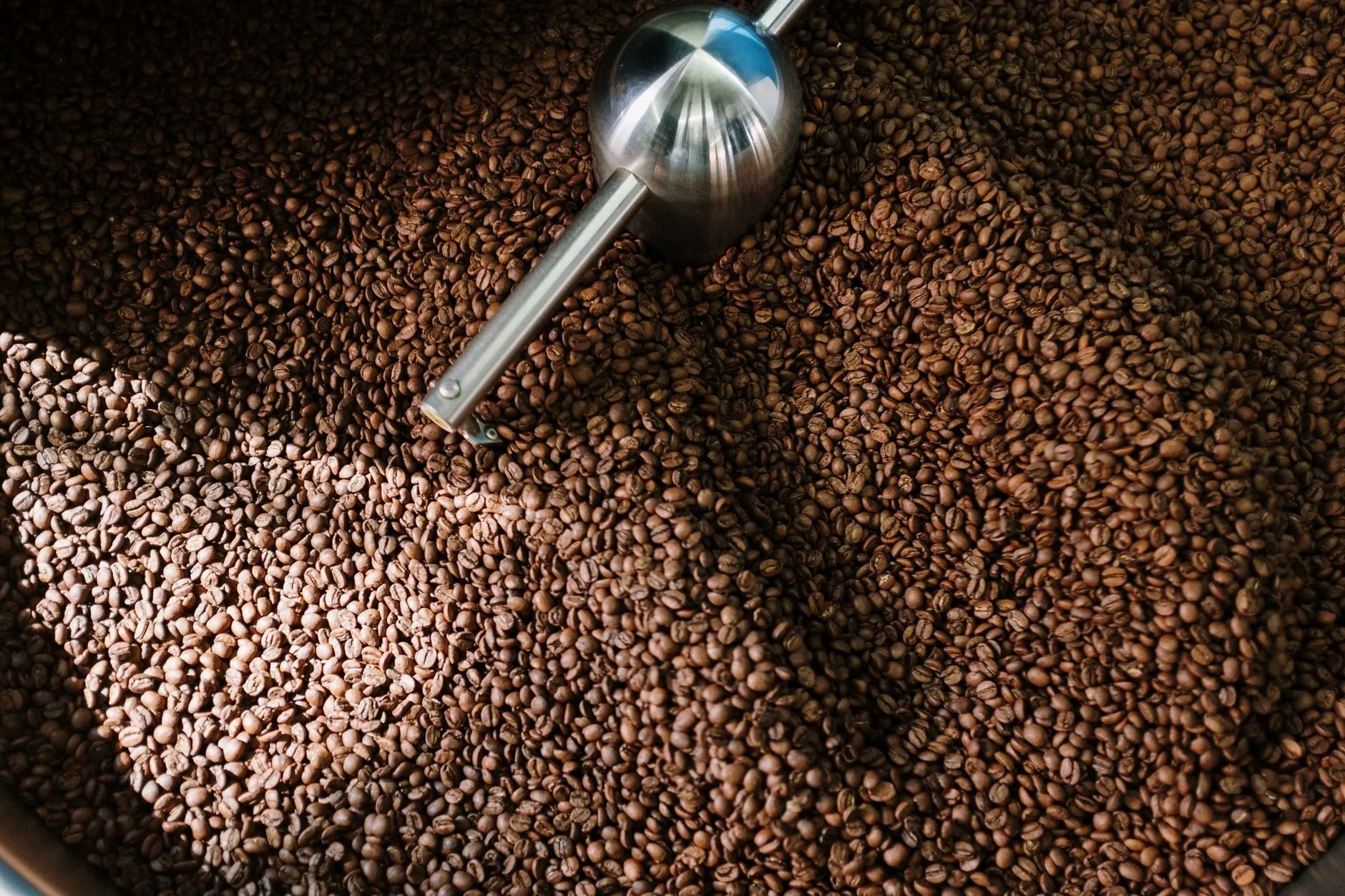
Roasted to order and posted by Royal Mail Tracked 48 on the day it leaves the drum. Free on subscriptions and orders over £30, otherwise £3.95. Best from five days to six weeks after the roast date on the bag.
Why we buy La Ilusión
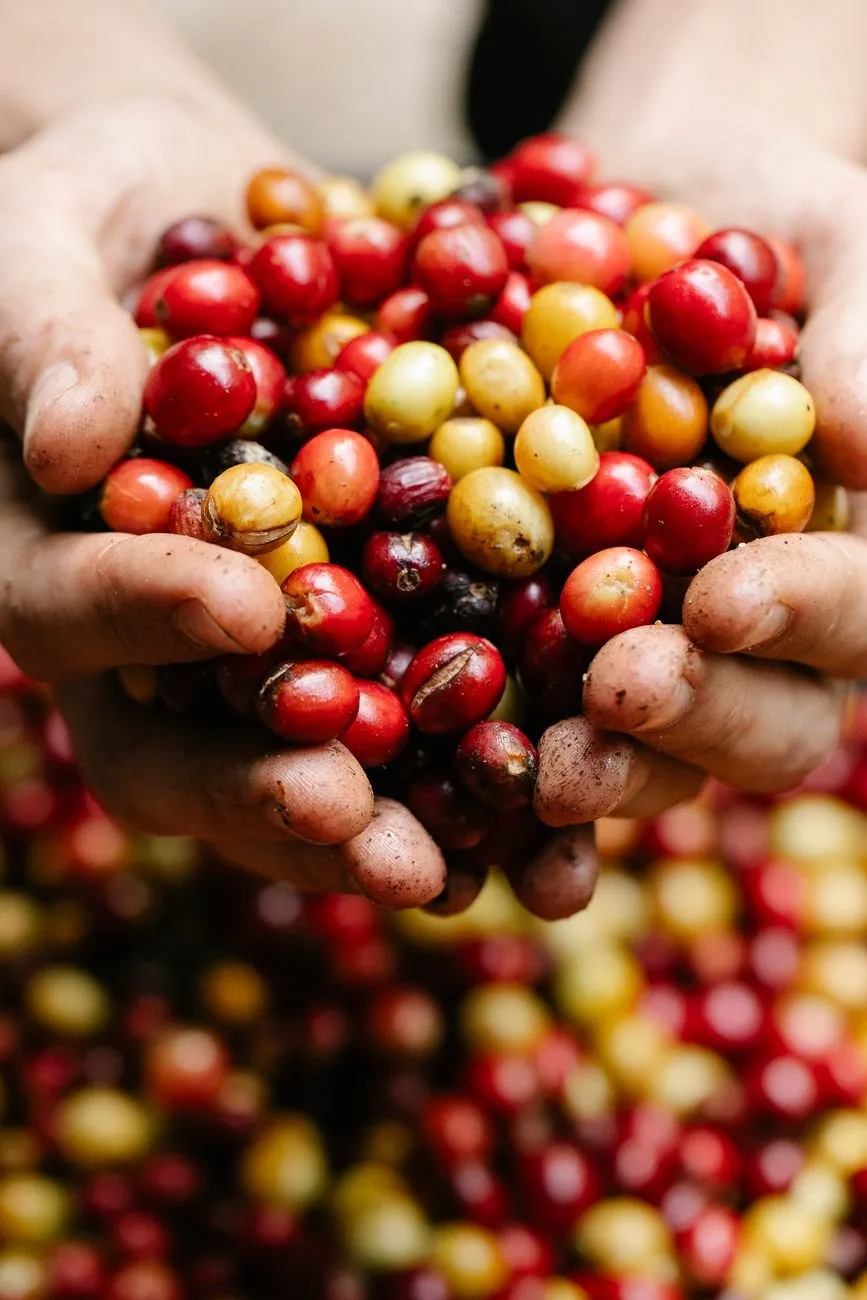
Honey process leaves some of the fruit’s sticky mucilage on the seed while it dries. You get the body of a natural without the fruit shouting, and the coffee takes a slightly longer roast without complaint.
This is the bag we hand people who say they do not like light roasts, and it is where most of our standing orders settle by their third delivery.
One farm, one family, fourteen hectares. We have bought from them for five harvests in a row.
“I have tried four subscriptions and this is the one I kept. The bag lands on Friday, it was roasted on Thursday, and when I asked for a coarser grind they changed it the same day.”
You might also like
 This month’s coffee
 Gitwe
Nyamasheke, Rwanda · natural · Light roast
£13.20 250 g
- Strawberry
- Cocoa nib
- Black tea
Karimikui
Kirinyaga, Kenya · washed · Light roast
£14.50 250 g
- Blackcurrant
- Grapefruit
- Cane sugar
Alaka
Guji, Ethiopia · washed · Light roast
£15.60 250 g
- Bergamot
- White peach
- Jasmine